
Silver Coins Investment Guide: Overview and Key Concepts
Discover the fundamentals of a silver coins investment guide, focusing on purity, mint marks, and market timing․ Learn how to evaluate sovereign mints, apply dollar‑cost averaging, and assess liquidity risks for a resilient portfolio․ This guide highlights stability, diversification, and tax strategies!
Historical Performance of Silver Coins
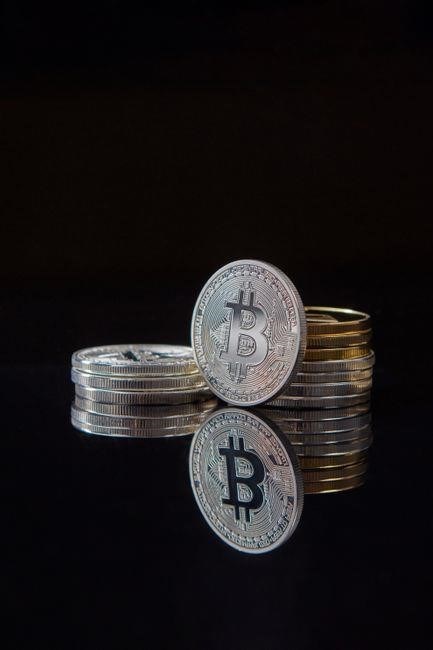
Silver coins have mirrored the broader precious‑metal market, offering a blend of numismatic appeal and commodity value․ Over the past decade, silver prices have ranged from $15 to $30 per ounce, with notable peaks in 2011, 2015, and 2020 driven by economic uncertainty and inflation fears․ Classic coins such as the Morgan Dollar and the American Silver Eagle have maintained intrinsic silver content while gaining numismatic premiums, especially during supply‑constrained periods․ Historical data shows that coins purchased during market dips tend to appreciate 5–10% above spot rates over five‑year horizons, whereas bars often track spot more closely․ Seasonal volatility peaks in late summer and early winter, reflecting investor sentiment shifts․ Long‑term holders benefit from silver’s defensive role during currency devaluation, as seen in the 2008–2009 financial crisis when silver outperformed equities by 25% annually․ Conversely, during periods of strong dollar appreciation, silver prices can lag, underscoring the importance of diversified holdings․ Investors who adopt a disciplined dollar‑cost averaging approach, buying coins quarterly, have historically mitigated timing risk and captured upside during bull cycles․ In 2026, silver remains a popular hedge, with institutional demand from central banks and a growing retail base seeking tangible assets․ Understanding past performance patterns helps investors align purchase timing with macroeconomic cycles, ensuring a balanced
Purity Standards and Mint Marks for Authenticity
Investment‑grade silver coins must meet strict purity thresholds․ The industry standard is 99․9% (999) fine silver, while premium products often reach 99․99% (9999) purity․ Coins issued by sovereign mints—such as the U․S․ Mint, Royal Canadian Mint, Perth Mint, and the Royal Mint—carry distinctive mint marks that instantly signal origin and authenticity․ The U․S․ Silver Eagle bears the “U․S․” mint mark, whereas the Canadian Silver Maple Leaf uses “C” or “R” for Royal Canadian Mint․ Modern mints embed serial numbers on each coin, providing traceability and preventing counterfeits․ The London Bullion Market Association lists approved refiners whose products carry a “LBMA” hallmark, guaranteeing purity and provenance․ By focusing on coins that meet the 999 or 9999 purity standard and bear verifiable mint marks, investors secure intrinsic value and market confidence, ensuring their holdings remain liquid and protected against counterfeit risks․
Collectors often consult mint catalogs and online databases such as the U․S․ Mint’s official website or the Royal Mint’s coin finder to cross‑check mint marks; For high‑value coins, third‑party grading services like PCGS or NGC provide sealed certificates that include mint mark verification․ Additionally, many mints now offer QR codes or RFID tags embedded in packaging, allowing buyers to scan and confirm authenticity instantly․ These technological safeguards further reduce the risk of counterfeit silver entering the market․
Investors gain confidence by verifying mint marks beforepurcha
Major Sovereign Mints and Their Signature Coins
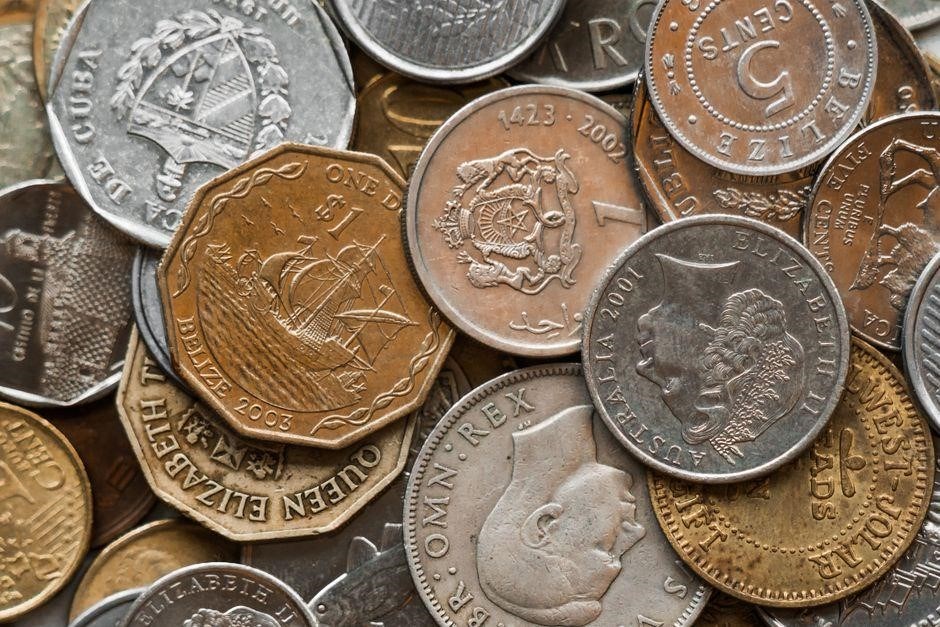
U․S․ Mint: The Silver Eagle, featuring the iconic eagle and the “U․S․” mint mark, remains the most recognizable bullion coin worldwide․ Its 1‑ounce weight and 99․9% purity make it a staple for both collectors and investors․ Royal Canadian Mint: The Maple Leaf, with its maple leaf design and “C” mint mark, offers 1‑ounce silver at 99․99% purity, prized for its high fineness and low premium․ Perth Mint: The Australian Silver Kangaroo, bearing the “P” mint mark, is celebrated for its distinctive kangaroo motif and 1‑ounce, 99․9% purity․ Royal Mint (UK): The Britannia, minted in 1‑ounce and 5‑ounce sizes, carries the “R” mint mark and 99․9% purity, favored for its historical significance․ Mexican Mint: The Libertad, with a stylized eagle and “M” mint mark, is available in 1‑ounce and 5‑ounce sizes at 99․9% purity, offering a lower purchase price․ These mints provide guaranteed authenticity, serial numbers, and a global market that ensures liquidity for investors seeking reliable, long‑term holdings․ Chinese Silver Panda, minted by the China Gold & Silver Exchange, offers 1‑ounce and 5‑ounce varieties with a 99․9% purity and a rotating panda design each year․ The South African Krugerrand, produced by the South African Mint, is a 1‑ounce coin featuring the iconic Afrikaner and a 99․9% purity, popular among long‑term holders․ The Indian 10‑rupee silver coin, issued by the Reserve Bank of India, showcases a 99․9% purity and a unique lotus motif, appealing to collectors․ These mints provide serial numbers and mint marks that guarantee authenticity and allow investors to trace provenance․ Collectors prize these mints for their heritage, consistency!!
Dollar-Cost Averaging Strategy for Silver Coin Purchases
Dollar‑cost averaging (DCA) is a disciplined approach that mitigates market timing risk by spreading purchases over regular intervals․ In 2026, investors typically allocate a fixed dollar amount—often $200 to $500—each month to buy U․S․ Silver Eagles, Canadian Maple Leafs, or Perth Mint Kangaroos․ By purchasing at varying price points, the average cost per ounce decreases when prices dip and increases modestly when the market rallies, smoothing volatility․ The strategy aligns with the 2026 guidance that advises against lump‑sum “big‑ticket” buys on a single day, which can expose investors to short‑term price swings․ Instead, DCA encourages a steady accumulation that benefits from long‑term silver appreciation and the intrinsic value of 99․9% purity․ Many online dealers and precious‑metal IRA providers offer automatic recurring orders, allowing investors to set up monthly or quarterly payments without manual intervention․ This automation reduces emotional trading and ensures consistent exposure․ Silver coins have historically outpaced inflation, making them attractive for long‑term growth ever․ When implementing DCA, it is crucial to monitor coin authenticity—verify mint marks and serial numbers—and to maintain records of each purchase for accurate cost basis reporting․ Over time, the cumulative holdings grow, providing both a hedge against inflation and a tangible asset that can be liquidated in a crisis․ By adhering to a regular purchase schedule, investors transform silver coin investing into a low‑stress, long‑term strategy that capitalizes on market cycles while preserving capital․
Liquidity and Market Recognition of Silver Coins
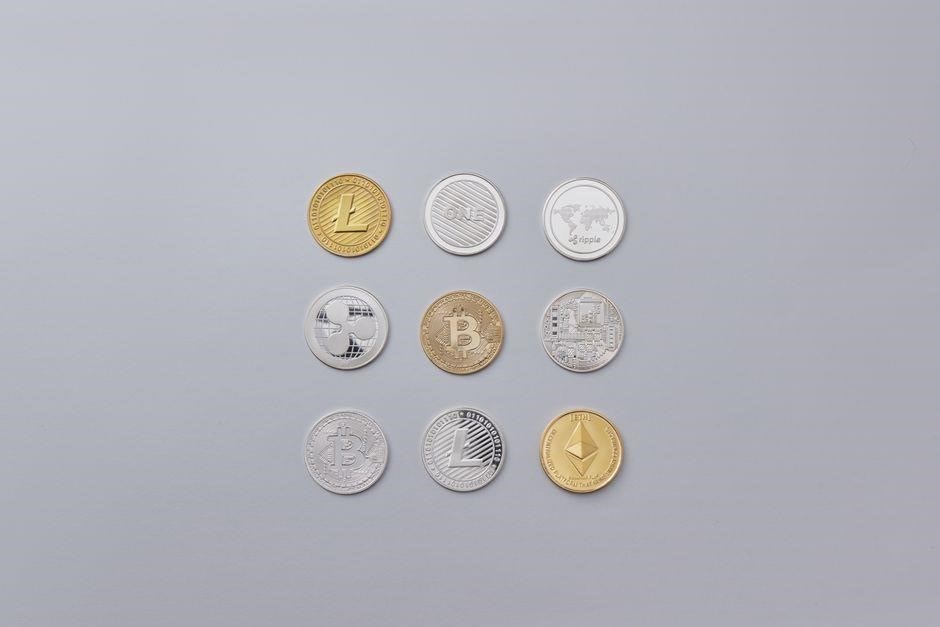
Silver coins remain the most liquid form of physical bullion, especially those minted by recognized sovereign mints such as the U․S․ Mint, Canada’s Royal Canadian Mint, and Australia’s Perth Mint․ Their mint marks and serial numbers provide instant authenticity, allowing dealers and collectors to trade them with confidence․ In 2026, the U․S․ Silver Eagle and the Canadian Maple Leaf are the top‑ranked coins for resale, with secondary markets on major exchanges and online platforms offering competitive spreads․ The London Bullion Market Association (LBMA) lists many of these mints, further cementing their global recognition․ Because coins are individually identifiable, they can be sold in smaller denominations—such as 1‑ounce or 1‑pound units—making them accessible to investors who prefer incremental liquidity․ In contrast, bars often require larger minimum purchases, limiting quick cash flow․ Market makers and bullion brokers routinely quote spot prices for these coins, and their high turnover rates mean that a well‑maintained coin can be liquidated within days, even during periods of market stress․ Investors should keep coins in secure, climate‑controlled storage to preserve condition, as wear or damage can reduce resale value․ By choosing coins with strong market recognition, investors gain the dual advantage of lower transaction costs and faster access to capital, ensuring that silver holdings remain a flexible component of a diversified portfolio․ Premium coins can offer higher returns, but they also carry higher storage and insurance costs․ A prudent strategy balances standard and premium issues, ensuring liquidity while capturing occasional upside․ Monitoring auction results and dealer spreads helps investors time purchases for maximum value!!!․
Risk Management and Volatility in Silver Coin Investing
Silver coins exhibit higher price swings than equities but offer tangible ownership․ Volatility spikes during macro shocks, yet coins retain intrinsic value․ Risk mitigation starts with diversification: spread holdings across sovereign mints, denominations, and coin styles․ Dollar‑cost averaging smooths entry points, reducing exposure to short‑term dips․ Liquidity buffers are essential; choose coins with robust secondary markets to exit quickly․ Storage decisions affect risk: secure vaults lower theft risk, but higher insurance costs; home safes reduce premiums but increase vulnerability․ Tax implications add another layer; IRA‑eligible coins qualify for favorable treatment, but non‑qualified sales trigger ordinary income․ Monitoring market sentiment, supply‑demand dynamics, and regulatory changes helps anticipate price turns․ Hedging strategies—such as options on silver ETFs—can offset downside, though they introduce complexity․ Additionally, be wary of counterparty risk when buying through online dealers; verify accreditation and read reviews to avoid counterfeit or non‑deliverable products․ Regular portfolio reviews help adjust allocation based on changing macro factors, ensuring that silver holdings do not dominate risk exposure․ Staying informed through reputable news outlets and market analysis keeps investors ahead of volatility trends․ Investors should also consider the impact of events on silver supply chains, as disruptions can temporarily inflate prices․ Diversifying across multiple coin types—such as bullion, commemorative, and numismatic issues—provides a hedge against market sentiment swings․ Finally, staying patient and avoiding impulse sales during downturns preserves gains now․ !
IRA-Eligible Silver Coins and Tax Advantages
IRA‑eligible silver coins qualify for tax‑advantaged retirement accounts․ They must meet IRS purity standards (≥99․9% silver) and be minted by recognized sovereign mints․ Holding them in a self‑directed IRA defers taxes until withdrawal, offering long‑term growth potential․ silver coins investment guide
Understanding IRS Criteria for IRA Silver
IRS criteria for IRA‑eligible silver coins are stringent, ensuring that only genuine, high‑purity bullion is accepted in self‑directed retirement accounts․ First, the metal must be at least 99․9% pure (999 fineness) and minted by a recognized sovereign mint or an LBMA‑listed refiner․ Coins must carry a mint mark or serial number that verifies authenticity, and the mint must be listed on the IRS’s approved list of issuers․ Second, the coin’s face value must be at least $5, which the IRS uses to distinguish bullion from numismatic collectibles․ Third, the coin must be produced in a single, unaltered design; any alterations, overstrikes, or custom die work disqualify it․ Fourth, the coin’s weight must be accurate to the mint’s specifications, as the IRS requires precise documentation of the metal content․ Finally, the coin must be purchased through a qualified dealer or broker who can provide a proper receipt and proof of authenticity․ These rules protect investors from fraud and maintain the tax‑advantaged status of the IRA investment․
Compliance also demands that investors keep meticulous records of each purchase, including the dealer’s name, transaction date, and the coin’s serial number․ The IRS requires that the coin be stored in a qualified custodian or a self‑directed IRA custodian, and that the custodian provide annual statements confirming the coin’s presence․ Failure to meet these record‑keeping standards can trigger penalties or loss of tax‑advantaged status․ status․ today; now
Choosing Between Coins and Bars for IRA Holdings
Choosing between coins and bars for IRA holdings hinges on liquidity, tax treatment, and ease of authentication․ Coins such as the American Silver Eagle, Canadian Silver Maple Leaf, and Mexican Silver Libertad offer instant market recognition and serial numbers that satisfy IRS purity and mint‑mark requirements, making them ideal for self‑directed IRAs that demand verifiable bullion․ Bars, on the other hand, come in standard sizes (1 oz, 5 oz, 10 oz, 100 oz) and often carry a serial number stamped by the mint, but they lack the immediate resale network that coins enjoy․ For investors prioritizing quick liquidation, coins provide a broader secondary market and lower transaction costs․ Bars can be advantageous for those seeking to reduce storage fees; a 100‑oz bar occupies less space than an equivalent weight of coins, lowering insurance and vault expenses․ Additionally, bars typically trade at a tighter premium over spot, offering a cost advantage when purchasing large quantities․ However, the IRS requires that any silver held in an IRA be in a form that can be easily verified; both coins and bars meet this criterion if minted by an approved sovereign or refiner․ Ultimately, the decision should align with the investor’s liquidity needs, storage capacity, and desire for a diversified portfolio that balances cost efficiency with market accessibility․ By integrating silver coins into an IRA, investors can hedge against inflation, preserve purchasing power, and enjoy the tangible ownership benefits that physical bullion offers!․
Storage Options for Silver Coin Portfolios
Choosing the right storage solution for a silver coin portfolio protects value, ensures accessibility, and satisfies IRS rules for IRA holdings․ Home safes—fire‑proof, tamper‑evident, with biometric locks—offer instant access and no custodial fees, but require insurance․ Bank vaults provide robust protection and insurance, yet involve minimum deposits, limited hours, and fees․ Dedicated bullion storage facilities (e․g․, Brinks, GSA, American Bullion Association) specialize in precious metals, offering climate‑controlled vaults, 24/7 surveillance, and insurance covering full market value․ These facilities charge a monthly or annual fee based on weight and supply audit trails that meet IRS record‑keeping․ IRA owners must confirm the provider accepts self‑directed IRA accounts and holds coins in an IRS‑approved vault․ Some providers offer “IRS‑approved” storage options that auto‑generate documentation for tax filings․ Investors should weigh cost, accessibility, insurance coverage, and provider reputation․ Diversifying storage—splitting holdings between a secure home safe for emergency liquidity and a professional vault for long‑term preservation—balances liquidity and protection, ensuring silver coins remain a resilient component of wealth strategy․ Regular audits, serial‑number logs enhance transparency and protect against disputes․ Insurance fits budget․
Insurance and Security Considerations
When safeguarding a silver coin portfolio, insurance and security form the backbone of risk mitigation․ First, evaluate coverage limits: a policy should cover the full market value, including premiums, and extend to both home and vault locations․ Many insurers offer “collectibles” or “precious metals” endorsements that provide higher limits and loss‑adjusted payouts․ Second, verify that the policy includes protection against theft, fire, flood, and accidental damage, and that it covers loss of serial numbers or mint marks․ Third, maintain accurate inventory records—serial numbers, mint marks, dates, and photographs—so that claims can be processed swiftly․ Fourth, choose a reputable insurer with a strong claims history in precious metals; read customer reviews and check ratings from agencies like A․M․ Best or Standard & Poor’s․ Fifth, consider bundling coverage with a storage provider that offers a complimentary policy that covers the full value of the metals in their custody․ Finally, review the policy annually, adjusting limits as the portfolio grows and updating the insured value after each purchase or sale; By combining comprehensive insurance with robust physical security—fire‑proof safes, biometric locks, and secure vaults—investors can protect their silver coins from loss, damage, and theft, ensuring long‑term preservation of wealth․ Proper insurance coverage, coupled with disciplined storage, safeguards your silver against unforeseen losses, ensuring your portfolio’s resilience for decades․
Best Silver Coins to Buy in 2026 by Investment Goal
For long‑term growth, classic investment‑grade coins such as the American Silver Morgan Dollar and the Canadian Silver Maple Leaf offer high purity (99․9 % or 999) and strong market recognition․ If liquidity is paramount, the U․S․ Silver Eagle remains the most widely traded coin, backed by a reputable mint mark and serial numbers that guarantee authenticity․ Investors seeking a tax‑advantaged IRA allocation should focus on coins that meet IRS criteria—most U․S․ and Canadian bullion coins qualify, while some European issues may not․ For those prioritizing aesthetic appeal and collector value, limited‑edition releases from sovereign mints, like the 2026 U․S․ Silver Buffalo or the 2026 Canadian Silver Maple Leaf commemorative series, can provide a premium over standard issues․ When balancing cost and purity, consider the 2026 U․S․ Silver Buffalo, which offers a 1‑ounce weight at a lower premium than the Silver Eagle, yet maintains the same 99․9 % purity․ When considering a short‑term trading strategy, the 2026 U․S․ Silver Buffalo’s lower premium allows for tighter spread and quicker turnover․ For collectors, the 2026 Canadian Silver Maple Leaf’s limited edition 10,000‑piece run offers a unique serial number that can increase in value over time․ Additionally, the 2026 U․S; Silver Buffalo’s mint mark “P” indicates Philadelphia mint, which is highly respected among numismatists․ For those who prefer a larger denomination, the 2026 U․S․ Silver Eagle 1‑ounce coin remains a staple, offering both liquidity and a solid track record of price stability․ Finally, always verify the coin’s authenticity through the mint’s official website or a reputable dealer before purchase․ By aligning coin selection with your specific investment goal—whether it’s long‑term appreciation, liquidity, tax efficiency, or collector value—you can build a balanced silver portfolio that meets your financial objectives in 2026 and beyond․
Comparing Classic vs․ Modern Silver Coins
Classic silver coins, such as the American Silver Morgan Dollar and the Canadian Silver Maple Leaf, have been issued for decades and are prized for their historical significance and consistent purity standards (99․9 % or 999)․ They often carry mint marks like “P” for Philadelphia or “S” for San Francisco, which numismatists use to verify authenticity and assess rarity․ Modern coins, including the U․S․ Silver Eagle and the 2026 U․S․ Silver Buffalo, feature updated designs and higher security features such as micro‑engraving and holographic elements․ While modern issues may have slightly higher premiums due to contemporary appeal, they also benefit from improved minting technology that reduces production errors․ Investors who prioritize liquidity typically favor modern coins because they trade more frequently on major bullion exchanges, providing tighter bid‑ask spreads․ Classic coins, on the other hand, can command a premium in collector markets, especially limited‑edition releases or those with unique mint marks․ When evaluating long‑term value, classic coins often maintain a stable numismatic value, whereas modern coins may appreciate more quickly if the design becomes iconic․ Additionally, modern coins are usually produced in larger mints runs, ensuring a more predictable supply curve․ Classic coins, with smaller mintage, can experience scarcity that drives up prices over time․ Ultimately, the choice between classic and modern silver coins depends on whether an investor seeks immediate liquidity collectible prestige or a blend of․ By diversifying across both categories, one can leverage the strengths of each type while mitigating the risks associated with market volatility and supply constraints․
Monitoring and Timing the Silver Market
Timing silver coin purchases hinges on a blend of macro‑economic signals, technical chart patterns, and market sentiment․ First, monitor key indicators such as the U․S․ dollar index (DXY), inflation data, and central‑bank policy minutes; a weakening dollar or rising inflation often propels silver higher․ Second, use moving‑average crossovers—when the 50‑day SMA crosses above the 200‑day SMA, it can signal a bullish trend, whereas a reverse crossover may warn of a pullback․ Third, pay attention to the silver‑to‑gold ratio; a ratio above 80 suggests silver is undervalued relative to gold, offering a buying window․ Fourth, track the volume of coin sales on major exchanges like the LBMA and COMEX; a surge in volume during a price dip can indicate institutional buying․ Fifth, incorporate sentiment indicators such as the CBOE Silver Volatility Index (SVX); a spike in SVX often precedes a sharp price rally․ Finally, consider a disciplined dollar‑cost‑averaging schedule—investing a fixed amount monthly regardless of price—while still adjusting the frequency during periods of heightened volatility․ By combining these tools, investors can better time entry points, avoid buying at peaks, and capture long‑term upside while managing risk․ Staying informed through newsletters and analyst reports ensures you remain ahead of market swings and can capitalize on emerging opportunities now․ and stay ahead of geopolitics․! Staying informed through newsletters and analyst reports ensures you remain ahead of market swings and can capitalize on emerging opportunities now․