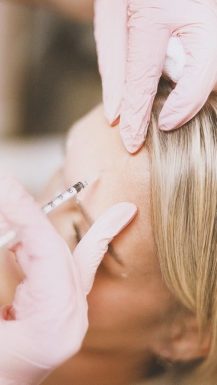
Schedule Your Consultation and Review Medical History
Book your initial appointment to discuss goals, allergies, and past procedures. Bring a complete medical record, list of current meds, and any recent cosmetic treatments. This review helps tailor Botox dosage and ensures safety. Discuss any pregnancy plans or recent health changes. ! 123
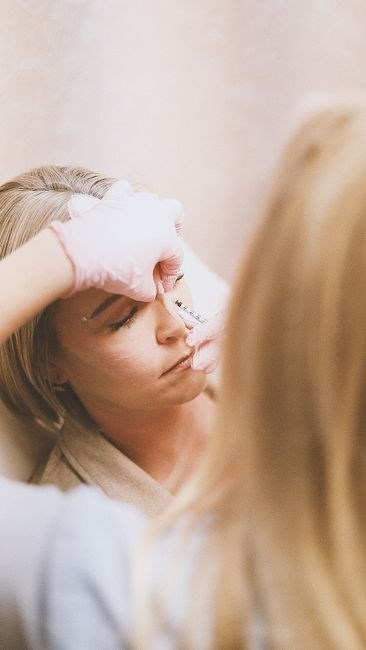
Complete the Pre‑Treatment Questionnaire
Before your Botox visit, your provider will ask you to fill out a detailed questionnaire. This form gathers essential data to tailor a safe and effective treatment plan. Below is a concise guide to what you’ll encounter. Answering these questions helps your provider assess any risks and customize the dosage.
- Medical History: List chronic conditions, recent surgeries, or hospitalizations.
- Medications & Supplements: Provide all prescription drugs, OTC medicines, and herbal supplements with dosages.
- Allergies: Record known allergies to medications, foods, or environmental factors.
- Previous Cosmetic Treatments: Note any recent Botox, fillers, laser therapy, or chemical peels and the dates.
- Skin Concerns & Goals: Describe the areas you wish to treat and your desired outcome.
- Lifestyle Factors: Briefly state smoking status, alcohol use, and exercise habits.
- Pregnancy & Lactation: Indicate if you are pregnant, planning pregnancy, or breastfeeding;
- Consent & Questions: Use this section to ask any questions about the procedure or aftercare.
Completing the questionnaire accurately ensures your Botox treatment is customized to your health profile, maximizing safety and results.
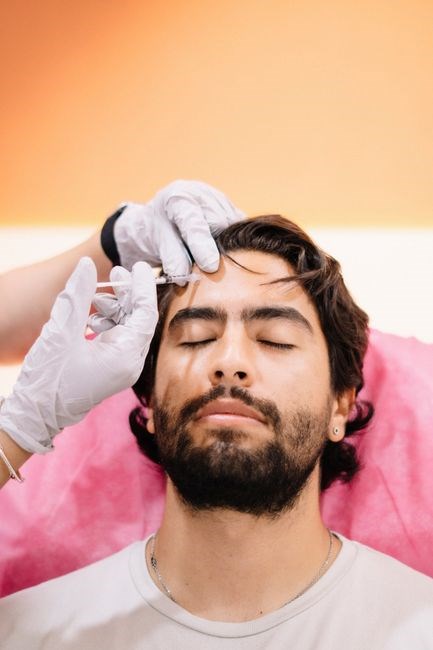
Medications and Supplements to Avoid
To reduce bruising, swelling, and potential complications, certain medications and supplements should be discontinued before your Botox session. The following list is compiled from current clinical guidelines and expert consensus.
- Aspirin and other NSAIDs (e.g., ibuprofen, naproxen): Stop 48 hours prior.
- Blood thinners (warfarin, heparin, clopidogrel, dabigatran, rivaroxaban): Consult your physician; dose adjustment may be required.
- Vitamin C and Vitamin E supplements: Discontinue 24 hours before.
- Omega‑3 supplements (fish oil, flaxseed oil, krill oil): Pause 48 hours prior.
- Herbal products (ginkgo biloba, garlic, ginseng, St. John’s wort, turmeric, ginger): Cease 48 hours before.
- Retinoids (topical or oral), alpha‑hydroxy acids (AHAs), beta‑hydroxy acids (BHAs): Stop 3–5 days before.
- Acetaminophen (high doses): Reduce intake if possible.
- Any prescription medication that increases bleeding risk (e.g., colchicine, certain antiepileptics): Discuss with your provider.
- Vitamin K supplements: Avoid 48 hours before, as they can counteract anticoagulants.
- Over‑the‑counter pain relievers (e.g., naproxen, diclofenac): Stop 48 hours prior.
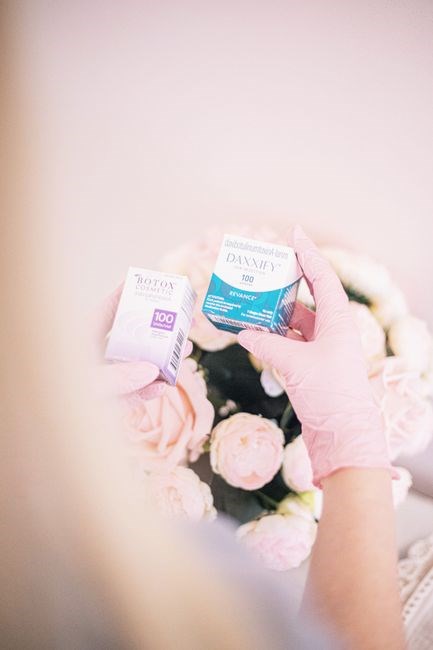
Always inform your injector of every medication and supplement you’re taking, including prescription drugs, over‑the‑counter products, and natural remedies. If you’re unsure whether a particular item should be stopped, contact your healthcare provider for personalized advice. Adhering to these precautions helps ensure a smooth procedure and optimal results, minimizing the risk of bruising and maximizing the longevity of your Botox effect.
Cosmetic Procedures and Skincare Products to Pause
Before your Botox appointment, it is crucial to pause any cosmetic procedure or skincare product that can increase skin sensitivity, bruising, or interfere with the neuromodulator’s action. The following recommendations are drawn from clinical studies and expert consensus and help maintain skin integrity and reduce inflammation.
- Chemical peels (superficial to deep): Avoid all peels for 1–2 weeks before treatment.
- Laser resurfacing (ablative or non‑ablative): Refrain for at least 2 weeks prior to injection.
- Microneedling or fractional radiofrequency: Pause 1–2 weeks before Botox.
- Intense pulsed light (IPL) therapy: Discontinue 1 week before.
- Dermal fillers (hyaluronic acid, calcium hydroxylapatite, poly‑L‑lactic acid): Wait 4–6 weeks after filler placement before Botox.
- Topical retinoids (tretinoin, adapalene, tazarotene): Stop 3–5 days before.
- Alpha‑hydroxy acids (glycolic, lactic) and beta‑hydroxy acids (salicylic): Cease 3–5 days prior.
- Heavy moisturizers or occlusive creams: Reduce application 24 hours before.
- Prescription or over‑the‑counter topical steroids: Discontinue 1 week before.
- Hair dyes, perms, or relaxers: Avoid 48 hours before.
In addition, pause high‑strength vitamin C serums, niacinamide above 5 %, and benzoyl peroxide products. Switch to a gentle, non‑irritating cleanser 48 hours before the appointment, and refrain from applying makeup or any fragrance on the day of the procedure to prevent contamination and irritation.
Adhering to these precautions creates an optimal environment for Botox, minimizing bruising and ensuring lasting, natural results.
Lifestyle Adjustments for Optimal Results
To maximize Botox longevity and minimize complications, adopt a few key lifestyle habits in the weeks leading up to your appointment. First, maintain a balanced diet rich in antioxidants—berries, leafy greens, and omega‑3 fatty acids—to support skin repair and reduce inflammation. Aim for at least 8 cups of water daily, and avoid excessive caffeine or alcohol, which can dehydrate the skin and increase bruising risk. Second, schedule a sleep routine that allows 7–9 hours of restorative rest each night; sleep deprivation can elevate cortisol levels and impair healing. Third, limit stressful activities—consider yoga or meditation—to keep stress hormones in check, as elevated cortisol can affect neuromodulator diffusion. Fourth, refrain from smoking for at least 48 hours before treatment; nicotine constricts blood vessels, impeding toxin uptake and prolonging recovery. Finally, keep your skin hydrated with a non‑comedogenic moisturizer and avoid heavy makeup on the day of the procedure to prevent irritation. By integrating these habits, you create a physiological environment that supports optimal Botox performance and durability. Additionally, avoid any facial massage or pressure on the treated areas for at least 48 hours after the procedure to prevent displacement of the toxin. Engage in stretching and avoid lifting for 24 hours post‑treatment. Keep your head elevated during the first night to reduce swelling daily. Finally, schedule your next appointment at least 4 weeks after the current session to allow full effect and assess results.
Hydration and Diet Recommendations
For a smooth Botox experience, begin by drinking at least 2 liters of water daily during the week before your appointment. Adequate hydration keeps skin supple, reduces puffiness, and supports the toxin’s diffusion into target muscles.
Include foods rich in vitamin C and vitamin E—citrus, bell peppers, almonds, and spinach—to neutralize free radicals and protect collagen. Omega‑3 fatty acids from salmon, chia seeds, and walnuts lower inflammation, helping the skin heal faster and minimizing bruising.
Keep salt intake below 2 g per day to avoid fluid retention that can mask subtle Botox results. Replace sugary drinks with complex carbohydrates such as quinoa, sweet potatoes, and whole‑grain breads to maintain steady blood sugar and vascular tone.
Limit caffeine to one cup per day; high caffeine levels can constrict vessels and reduce toxin effectiveness. Alcohol should be avoided for at least 48 hours before treatment, as it thins the blood and raises bruising risk.
Prioritize lean protein—poultry, tofu, legumes—to support muscle tone and overall skin health. Adequate protein ensures the neuromodulator interacts with well‑maintained fibers, producing smoother, natural results. Follow these hydration and dietary guidelines to enhance Botox efficacy, reduce downtime, and achieve a refined appearance.
Lorem ipsum dolor sit amet, consectetur adipiscing elit. Lorem ipsum dolor sit amet, consectetur adipiscing elit. Lorem ipsum dolor sit amet, consectetur adipiscing elit. Lorem ipsum dolor sit amet, consectetur adipiscing elit. Test
Day‑of Appointment Checklist
Arrive 15 min early, bring ID, medical records, and a list of current medications. Wear comfortable clothing, avoid makeup, and stay hydrated. Confirm appointment time, ask about post‑care, and keep a phone nearby. Verify insurance beforehand.
Discontinue Aspirin and NSAIDs 48 Hours Prior
Before your Botox session, it’s crucial to stop taking aspirin and non‑steroidal anti‑inflammatory drugs (NSAIDs) at least 48 hours in advance. These medications thin the blood and increase the risk of bruising or swelling at injection sites. Even over‑the‑counter pain relievers such as ibuprofen, naproxen, or diclofenac should be halted. If you’re on a prescription pain regimen, consult your provider for a temporary alternative or a brief pause. Skipping these drugs helps keep the skin’s microcirculation stable, allowing the neuromodulator to work more precisely and reducing post‑treatment discomfort. Remember to inform your practitioner of any medication changes, and keep a record of the last dose taken. This simple step can significantly improve both the safety and aesthetic outcome of your Botox treatment.
Patients should also avoid any topical agents that thin the skin, such as retinoid creams, for at least 48 hours before the procedure.daily!OKIf you experience any unusual bleeding or bruising during your routine activities, notify your provider immediately. Additionally, schedule your appointment during a time when you can rest for at least 24 hours post‑injection, as mild swelling may occur. Finally, keep a list of all medications, including over‑the‑counter pain relievers, and share it with your clinician to ensure a comprehensive safety plan.
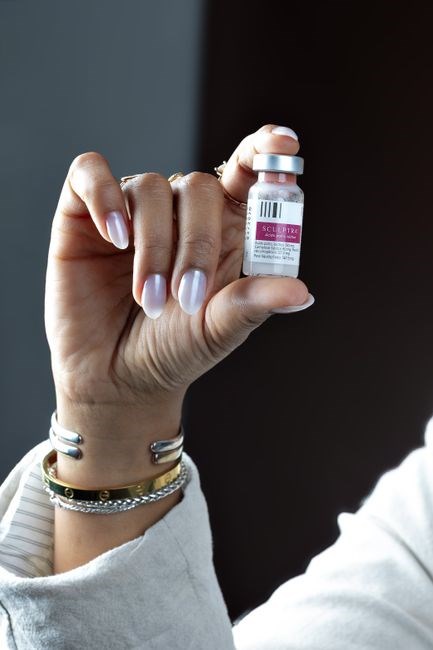
Stop Vitamin C and E Supplements 24 Hours Prior
Vitamin C and E are popular antioxidants that support skin health, but they can increase vascular fragility and interfere with clotting. For optimal Botox outcomes, discontinue all oral or topical vitamin C (ascorbic acid) and vitamin E (tocopherol) supplements 24 hours before the procedure. This brief pause reduces the likelihood of bruising, swelling or prolonged redness at injection sites, allowing the neuromodulator to act more predictably. If you rely on a multivitamin that contains these nutrients, ask your provider for a temporary substitute or simply skip the dose for the day of treatment. Remember to keep a record of the last intake time and share it with the clinician to ensure accurate assessment. For patients with chronic conditions that require vitamin supplementation, discuss alternative dosing schedules with your healthcare team to avoid compromising overall health while still protecting the procedure’s safety. After the appointment, you can resume normal intake, but monitor for any unusual bleeding or bruising, and report promptly to your practitioner. This approach balances the benefits of antioxidants with the need for a clean, stable injection environment, ultimately enhancing both the safety and aesthetic results of your Botox treatment. By adhering to these guidelines, you help ensure a smoother recovery, reduce the risk of complications, and maximize the longevity and results of your Botox.
Cease Retinoids, AHAs, and BHAs 3–5 Days Before
Retinoids, alpha‑hydroxy acids (AHAs), and beta‑hydroxy acids (BHAs) are powerful exfoliants that accelerate cell turnover and enhance pigment removal. However, their use immediately before Botox can thin the epidermis, increase vascular permeability, and heighten the risk of bruising, swelling, and delayed healing. For a safe and effective injection, discontinue all topical retinoids (tretinoin, adapalene, tazarotene, etc.) and chemical exfoliants containing AHAs (glycolic, lactic, citric) or BHAs (salicylic) for 3 to 5 days prior to the appointment. During this window, switch to a gentle, non‑irritating cleanser and a fragrance‑free moisturizer to maintain skin barrier integrity. If you normally apply a retinoid nightly, stop the nightly dose and resume only after the procedure, once the skin has fully recovered. For patients who use prescription retinoids for acne or anti‑aging, coordinate with their dermatologist to schedule a temporary pause that aligns with the Botox timeline. Avoid any in‑clinic chemical peels, micro‑needling, or laser treatments within the same 3‑5 day period, as they can synergistically increase sensitivity. After the Botox session, re‑introduce retinoids gradually, starting with a lower concentration and monitoring irritation. This careful timing ensures the neuromodulator’s diffusion is not impeded by compromised skin, reduces post‑injection complications, and preserves cosmetic longevity.
Avoid Chemical Peels, Lasers, and Microneedling 1–2 Weeks Prior
Before a Botox session, it is essential to give the skin ample time to recover from any aggressive resurfacing procedures. Chemical peels, laser resurfacing, and microneedling all stimulate collagen remodeling and increase vascular permeability. If performed within one to two weeks of injection, the heightened sensitivity can lead to excessive bruising, swelling, or altered diffusion of the toxin. To mitigate these risks, schedule any peel, laser, or microneedling treatment at least 14 days before the Botox appointment. This interval allows the epidermis to re‑epithelialize, capillaries to stabilize, and inflammatory mediators to subside. During the waiting period, use gentle, fragrance‑free cleansers and moisturizers to support barrier function. Avoid additional exfoliants, retinoids, or physical scrubs that could further irritate the skin. If you have a scheduled resurfacing procedure, discuss the timing with your provider and confirm that the Botox appointment is at least two weeks later. This precaution ensures that the neuromodulator can be delivered safely and that the aesthetic outcome is not compromised by residual inflammation or vascular changes. Keep your skin hydrated with a non‑comedogenic moisturizer and avoid sunscreens containing oxybenzone or avobenzone for 48 hours before procedure to reduce irritation!
Refrain from Strenuous Exercise 24 Hours Before
Engaging in high‑intensity workouts, heavy weight lifting, or prolonged endurance sessions within 24 hours of a Botox injection can elevate blood pressure and increase capillary fragility. The resulting vascular dilation may cause bruising or swelling at the injection sites, potentially compromising the aesthetic outcome. To minimize these risks, schedule a low‑impact activity such as walking, gentle stretching, or yoga for the day preceding your appointment. If you must exercise, keep the session brief—no more than 30 minutes—and avoid any movements that place direct pressure on the face or neck. Additionally, refrain from using heat‑based recovery tools like saunas, hot tubs, or heated compression wraps, as they further dilate vessels. Hydrate adequately but avoid excessive caffeine or alcohol, which can dehydrate the skin and exacerbate bruising. After the appointment, allow at least 48 hours before resuming intense exercise to give the neuromodulator time to settle and the skin to recover. By following these guidelines, you help ensure a smoother injection experience and a more predictable, long‑lasting result.
Remember to avoid any facial massage or pressure on the treated areas for at least 24 hours, as this can displace the toxin. Staying upright helps maintain distribution. keep a record of any side effects and report them to your provider promptly!!
Engaging in high‑intensity workouts, heavy weight lifting, or prolonged endurance sessions within 24 hours of a Botox injection can elevate blood pressure and increase capillary fragility. The resulting vascular dilation may cause bruising or swelling at the injection sites, potentially compromising the aesthetic outcome. To minimize these risks, schedule a low‑impact activity such as walking, gentle stretching, or yoga for the day preceding your appointment. If you must exercise, keep the session brief—no more than 30 minutes—and avoid any movements that place direct pressure on the face or neck. Additionally, refrain from using heat‑based recovery tools like saunas, hot tubs, or heated compression wraps, as these further dilate vessels. Hydrate adequately but avoid excessive caffeine or alcohol, which can dehydrate the skin and exacerbate bruising. After the appointment, allow at least 48 hours before resuming intense exercise to give the neuromodulator time to settle and the skin to recover. By following these guidelines, you help ensure a smoother injection experience and a more predictable, long‑lasting result.
By limiting alcohol, you preserve skin vascular health, reduce swelling, let the neuromodulator act, ensuring smoother, longer‑lasting result for your treatment .
Arrive 15 Minutes Early and Bring Medical Records
Arriving 15 minutes before your appointment gives the clinical team ample time to verify your identity, review your medical history, and address any last‑minute concerns. Check in at the front desk and provide a copy of your most recent medical records, including any recent surgeries, allergies, or chronic conditions. Bring a list of all prescription and over‑the‑counter medications, supplements, and topical products you have used in the past month, as these can influence the Botox outcome. If you have recently undergone any cosmetic procedures—such as fillers, chemical peels, or laser treatments, inform the practitioner, as these may affect the injection sites. It is also helpful to bring a recent photograph of the area to be treated, so the provider can compare before and after results. During the check‑in process, confirm that you have completed the pre‑treatment questionnaire and that you understand the post‑treatment care instructions. If you have insurance coverage for Botox, bring your insurance card and any required authorization forms. Finally, arrive early to allow time for a brief consultation, where the clinician can discuss your aesthetic goals, set realistic expectations, and ensure you are fully informed about the procedure’s risks and benefits. By being prepared and punctual, you help create a smooth, efficient experience that maximizes the safety and effectiveness of your Botox treatment. Remember to bring recent lab reports and arrive with a calm mindset for aexperience and follow the instructions for results.